Will Weed Show Up on Blood Work? Routine Tests vs. THC Tests

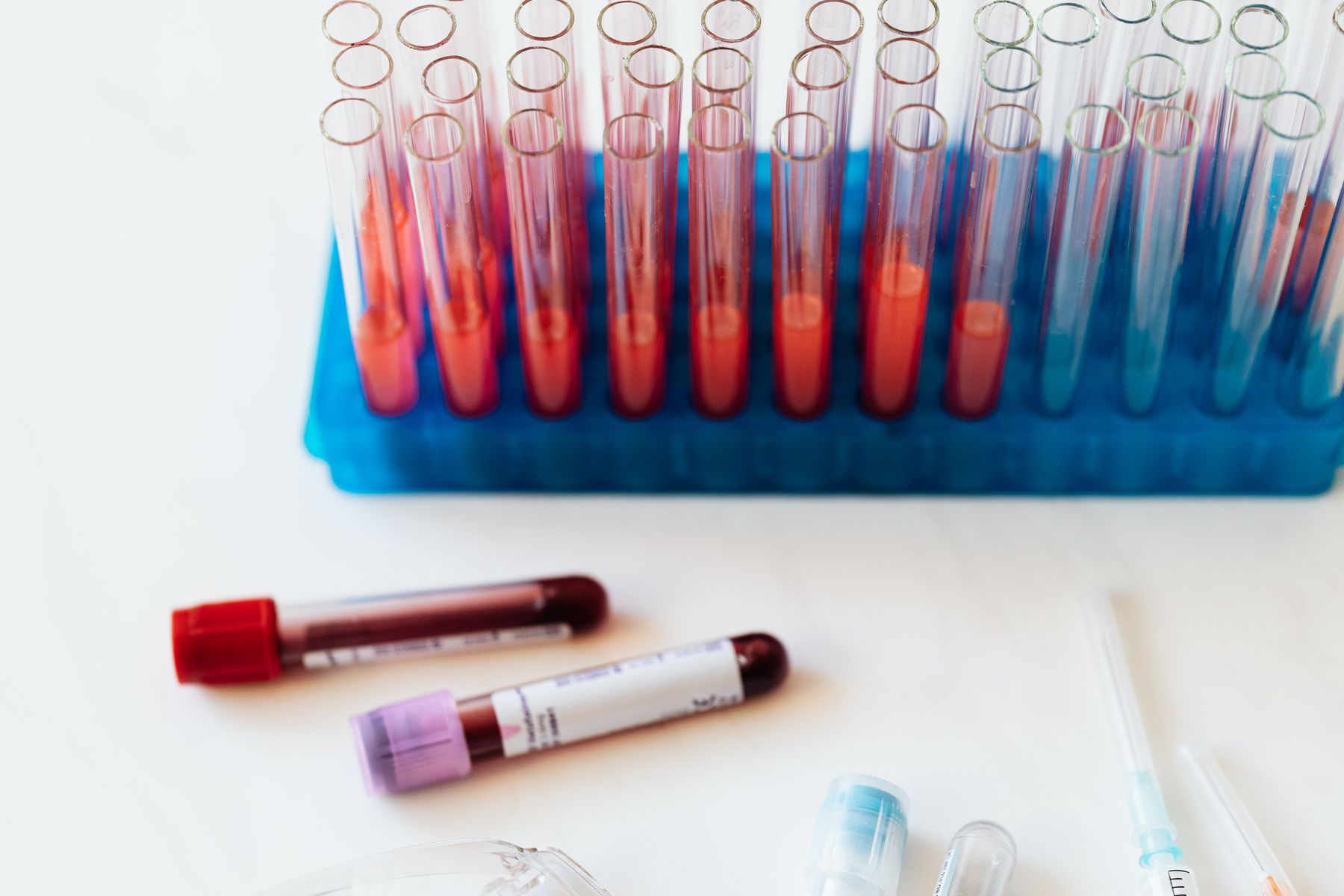
Blood sample test tubes arranged for laboratory testing

You have a blood test booked and remember the cannabis you used recently. Before worrying about whether it will appear in the results, check what the appointment is actually testing.

Weed does not show up on routine blood work such as a complete blood count or metabolic panel. These tests do not measure THC. However, a separately ordered blood test for cannabis can detect THC or its metabolites. The deciding factor is the test ordered, not simply whether someone takes a blood sample.

Which Routine Blood Tests Do Not Check for Weed?

Common health checks measure specific cells, chemicals, or hormones. They do not automatically include a drug screen.

Blood test What it measures Does the standard test check for THC?
Complete blood count, or CBC Red and white blood cells, platelets, and related measurements No
Basic or comprehensive metabolic panel Glucose, electrolytes, kidney-function markers, and other blood chemicals No
Cholesterol or lipid panel Cholesterol and triglycerides No
Thyroid-stimulating hormone, or TSH A hormone used to assess thyroid function No

Medical references: blood-test overview, metabolic panel, cholesterol testing, and TSH testing.

An abnormal result on one of these tests is not a positive cannabis result. It needs to be interpreted according to what that test measures.

Also, “full blood work” is an informal description, not a promise that the laboratory tests for every substance. Ask for the actual test names if the description is unclear.

When Can a Blood Test Detect Cannabis?

A blood sample can reveal cannabis exposure when a cannabinoid test is included in the order.

Drug testing may be requested for a clinical assessment, suspected overdose, employment requirements, or a legal investigation. The sample is often urine, although blood and other sample types can also be used.

A THC Test Looks for Specific Substances

Depending on the laboratory method, a blood test may measure THC, compounds produced as the body processes THC, or both. These breakdown products are called metabolites.

For example, Mayo Clinic Laboratories lists a dedicated whole-blood cannabinoid analysis with follow-up confirmation when the initial result is positive. This is a specific test, separate from ordinary health panels.

A Toxicology Screen Depends on Its Contents

The words “drug screen” or “toxicology screen” do not tell you exactly which substances are included. Ask whether the ordered panel tests for cannabinoids and which sample type it uses.

A routine blood draw and a drug screen can be part of the same appointment. Having routine tests ordered does not rule out additional testing.

How Long Can Cannabis Be Detected in Blood?

There is no single detection window that applies to every cannabis blood test. It depends on the substance measured, the test’s sensitivity, the amount used, and the person’s pattern of use.

Frequent cannabis use can produce much longer detection periods than a simple “one or two days” estimate suggests. Sensitive testing has detected low cannabinoid concentrations in blood plasma for weeks in some frequent users during abstinence. That does not establish a universal window for every person or laboratory test.

For a routine CBC or metabolic panel, this timing question does not change the answer: those tests do not measure THC.

Do Edibles, Vapes, or CBD Change the Answer?

THC Edibles and Vapes

Using an edible or vape instead of smoking does not change whether a routine blood panel includes THC testing. It also does not prevent detection by a test that specifically looks for cannabinoids.

The product format and timing can affect how THC enters the bloodstream, but they do not change the purpose of the laboratory test.

CBD Products

CBD and THC are different compounds. However, a product marketed as CBD may contain THC, so the product name alone is not enough to judge exposure. The FDA has identified concerns about inaccurate cannabinoid content and THC in some CBD products.

For oils, our CBD oil label guide explains the label information to review.

If you choose to buy weed online from a retailer such as Budora, check the listed cannabinoid content and available batch-testing information. A cannabis product lab report describes the product tested; it does not predict your personal blood-test result.

Can You Smoke Weed Before a Blood Test?

Follow the preparation instructions for your appointment rather than assuming cannabis is irrelevant because THC is not being tested.

If you are fasting, MedlinePlus advises avoiding smoking during the fasting period. Edibles and cannabis drinks also conflict with instructions to consume only plain water.

For a non-fasting appointment, ask the clinic about cannabis use beforehand. Tell your provider about medicines, supplements, and cannabis products you use so they can give instructions appropriate to the tests ordered.

If you have already used cannabis during the preparation period, tell the clinic. They can decide whether the appointment should proceed. Do not stop prescribed medicines unless your provider instructs you to.

How Can You Check What Was Ordered?

Look at the laboratory order, referral, or patient portal. If the names are unclear, ask:

  • “Which blood tests have been ordered?”
  • “Does this include a drug screen or cannabinoid test?”
  • “Do I need to fast or avoid smoking before the appointment?”

If drug testing is included, also ask why it is being done and how the results will be used. These are reasonable questions to raise before testing.

Conclusion

Weed will not appear as a THC result on a standard CBC, metabolic panel, cholesterol test, or thyroid test. A separately ordered cannabinoid test can detect cannabis exposure. Check the test names and follow the clinic’s preparation instructions to understand what your appointment involves.


Consumer Safety

Cannabis Consumer Safety: Labels, Storage, Impairment and Responsible Decisions

Responsible decisions begin with local law, secure storage, clear labels and avoiding impairment-related risk.

Editorial photograph for Cannabis Consumer Safety: Labels, Storage, Impairment and Responsible Decisions
01

Check age and access rules

Check age and access rules is most useful when treated as a question to investigate rather than a slogan to accept. In consumer safety, the same term may be used by researchers, regulators, manufacturers and consumers with different levels of precision. Begin by identifying which meaning the source actually supports.

Next, separate observable information from interpretation. A product name, plant description or label may offer clues, yet it cannot establish a medical outcome, personal response or legal status everywhere. Batch information, transparent methods and current first-party rules are more informative than confidence alone.

Finally, consider the decision attached to the claim. If it affects health, medication, pregnancy, driving, travel or legal exposure, general reading is not enough. Use qualified professional guidance and the official authority with jurisdiction over that decision.

02

Store products securely

Store products securely is most useful when treated as a question to investigate rather than a slogan to accept. In consumer safety, the same term may be used by researchers, regulators, manufacturers and consumers with different levels of precision. Begin by identifying which meaning the source actually supports.

Next, separate observable information from interpretation. A product name, plant description or label may offer clues, yet it cannot establish a medical outcome, personal response or legal status everywhere. Batch information, transparent methods and current first-party rules are more informative than confidence alone.

Finally, consider the decision attached to the claim. If it affects health, medication, pregnancy, driving, travel or legal exposure, general reading is not enough. Use qualified professional guidance and the official authority with jurisdiction over that decision.

03

Never drive while impaired

Never drive while impaired is most useful when treated as a question to investigate rather than a slogan to accept. In consumer safety, the same term may be used by researchers, regulators, manufacturers and consumers with different levels of precision. Begin by identifying which meaning the source actually supports.

Next, separate observable information from interpretation. A product name, plant description or label may offer clues, yet it cannot establish a medical outcome, personal response or legal status everywhere. Batch information, transparent methods and current first-party rules are more informative than confidence alone.

Finally, consider the decision attached to the claim. If it affects health, medication, pregnancy, driving, travel or legal exposure, general reading is not enough. Use qualified professional guidance and the official authority with jurisdiction over that decision.

04

Discuss medicines and pregnancy with a professional

Discuss medicines and pregnancy with a professional is most useful when treated as a question to investigate rather than a slogan to accept. In consumer safety, the same term may be used by researchers, regulators, manufacturers and consumers with different levels of precision. Begin by identifying which meaning the source actually supports.

Next, separate observable information from interpretation. A product name, plant description or label may offer clues, yet it cannot establish a medical outcome, personal response or legal status everywhere. Batch information, transparent methods and current first-party rules are more informative than confidence alone.

Finally, consider the decision attached to the claim. If it affects health, medication, pregnancy, driving, travel or legal exposure, general reading is not enough. Use qualified professional guidance and the official authority with jurisdiction over that decision.

05

Use testing and labels as tools—not guarantees

Use testing and labels as tools—not guarantees is most useful when treated as a question to investigate rather than a slogan to accept. In consumer safety, the same term may be used by researchers, regulators, manufacturers and consumers with different levels of precision. Begin by identifying which meaning the source actually supports.

Next, separate observable information from interpretation. A product name, plant description or label may offer clues, yet it cannot establish a medical outcome, personal response or legal status everywhere. Batch information, transparent methods and current first-party rules are more informative than confidence alone.

Finally, consider the decision attached to the claim. If it affects health, medication, pregnancy, driving, travel or legal exposure, general reading is not enough. Use qualified professional guidance and the official authority with jurisdiction over that decision.

06

A practical verification routine

Before relying on a claim, write down the exact decision it is meant to support. A general description may be adequate for learning vocabulary but inadequate for choosing a product, changing medication, travelling across a border or deciding whether it is safe to drive. The consequence determines how much verification is appropriate.

Identify the strongest source for each layer. A batch report may answer a chemistry question; an ingredient list may identify allergens; a clinician may assess an interaction; a regulator may explain a rule. No single document answers all four. Check dates and confirm that the source addresses the same product, jurisdiction and population.

Keep a stop condition. If the label does not match the report, the source makes guaranteed health promises, the law is unclear or your circumstances add medical risk, pause rather than filling the gap with optimism. Choosing not to proceed is a valid informed decision.

Sources & further reading

Regulation and public-health guidance change. Check the relevant official authority for the place and date of your decision.

Clear answers

Frequently asked questions

What is the central limitation discussed here?

Responsible decisions begin with local law, secure storage, clear labels and avoiding impairment-related risk.

Can a label or name predict an exact effect?

No. Chemistry, product quality, context and individual response vary.

Where should legal questions be checked?

Use the current official regulator or government authority for the relevant jurisdiction and product.

When should a health professional be involved?

Seek qualified guidance for medication interactions, pregnancy or breastfeeding, concerning symptoms, or individualized health decisions.

The Stash Brief

Clear cannabis education. No hype. No sales pressure.

A concise editorial digest covering plant science, CBD labels, responsible consumer awareness and policy context.

Consumer Safety

Cannabis Product Testing: What Consumers Should Understand

Laboratory reports can add useful information, but methods, sampling and jurisdiction shape what they mean.

Editorial photograph for Cannabis Product Testing: What Consumers Should Understand
01

Identify the sample and batch

Identify the sample and batch is most useful when treated as a question to investigate rather than a slogan to accept. In consumer safety, the same term may be used by researchers, regulators, manufacturers and consumers with different levels of precision. Begin by identifying which meaning the source actually supports.

Next, separate observable information from interpretation. A product name, plant description or label may offer clues, yet it cannot establish a medical outcome, personal response or legal status everywhere. Batch information, transparent methods and current first-party rules are more informative than confidence alone.

Finally, consider the decision attached to the claim. If it affects health, medication, pregnancy, driving, travel or legal exposure, general reading is not enough. Use qualified professional guidance and the official authority with jurisdiction over that decision.

02

Check laboratory and method information

Check laboratory and method information is most useful when treated as a question to investigate rather than a slogan to accept. In consumer safety, the same term may be used by researchers, regulators, manufacturers and consumers with different levels of precision. Begin by identifying which meaning the source actually supports.

Next, separate observable information from interpretation. A product name, plant description or label may offer clues, yet it cannot establish a medical outcome, personal response or legal status everywhere. Batch information, transparent methods and current first-party rules are more informative than confidence alone.

Finally, consider the decision attached to the claim. If it affects health, medication, pregnancy, driving, travel or legal exposure, general reading is not enough. Use qualified professional guidance and the official authority with jurisdiction over that decision.

03

Compare label and report

Compare label and report is most useful when treated as a question to investigate rather than a slogan to accept. In consumer safety, the same term may be used by researchers, regulators, manufacturers and consumers with different levels of precision. Begin by identifying which meaning the source actually supports.

Next, separate observable information from interpretation. A product name, plant description or label may offer clues, yet it cannot establish a medical outcome, personal response or legal status everywhere. Batch information, transparent methods and current first-party rules are more informative than confidence alone.

Finally, consider the decision attached to the claim. If it affects health, medication, pregnancy, driving, travel or legal exposure, general reading is not enough. Use qualified professional guidance and the official authority with jurisdiction over that decision.

04

Understand contaminant panels

Understand contaminant panels is most useful when treated as a question to investigate rather than a slogan to accept. In consumer safety, the same term may be used by researchers, regulators, manufacturers and consumers with different levels of precision. Begin by identifying which meaning the source actually supports.

Next, separate observable information from interpretation. A product name, plant description or label may offer clues, yet it cannot establish a medical outcome, personal response or legal status everywhere. Batch information, transparent methods and current first-party rules are more informative than confidence alone.

Finally, consider the decision attached to the claim. If it affects health, medication, pregnancy, driving, travel or legal exposure, general reading is not enough. Use qualified professional guidance and the official authority with jurisdiction over that decision.

05

A certificate is not a universal safety guarantee

A certificate is not a universal safety guarantee is most useful when treated as a question to investigate rather than a slogan to accept. In consumer safety, the same term may be used by researchers, regulators, manufacturers and consumers with different levels of precision. Begin by identifying which meaning the source actually supports.

Next, separate observable information from interpretation. A product name, plant description or label may offer clues, yet it cannot establish a medical outcome, personal response or legal status everywhere. Batch information, transparent methods and current first-party rules are more informative than confidence alone.

Finally, consider the decision attached to the claim. If it affects health, medication, pregnancy, driving, travel or legal exposure, general reading is not enough. Use qualified professional guidance and the official authority with jurisdiction over that decision.

06

A practical verification routine

Before relying on a claim, write down the exact decision it is meant to support. A general description may be adequate for learning vocabulary but inadequate for choosing a product, changing medication, travelling across a border or deciding whether it is safe to drive. The consequence determines how much verification is appropriate.

Identify the strongest source for each layer. A batch report may answer a chemistry question; an ingredient list may identify allergens; a clinician may assess an interaction; a regulator may explain a rule. No single document answers all four. Check dates and confirm that the source addresses the same product, jurisdiction and population.

Keep a stop condition. If the label does not match the report, the source makes guaranteed health promises, the law is unclear or your circumstances add medical risk, pause rather than filling the gap with optimism. Choosing not to proceed is a valid informed decision.

Sources & further reading

Regulation and public-health guidance change. Check the relevant official authority for the place and date of your decision.

Clear answers

Frequently asked questions

What is the central limitation discussed here?

Laboratory reports can add useful information, but methods, sampling and jurisdiction shape what they mean.

Can a label or name predict an exact effect?

No. Chemistry, product quality, context and individual response vary.

Where should legal questions be checked?

Use the current official regulator or government authority for the relevant jurisdiction and product.

When should a health professional be involved?

Seek qualified guidance for medication interactions, pregnancy or breastfeeding, concerning symptoms, or individualized health decisions.

The Stash Brief

Clear cannabis education. No hype. No sales pressure.

A concise editorial digest covering plant science, CBD labels, responsible consumer awareness and policy context.