Adult cannabis education
Cannabis, explained beyond the hype.
Independent guides to cannabis science, CBD, plant biology, culture, regulation and responsible consumer awareness.
Educational content for adults. No cannabis or CBD products are sold here.
Choose a pathway
What would you like to understand?
The Stash knowledge map
Six lenses for a complicated plant.
Plant
Botany, genetics and morphology.
Chemistry
Cannabinoids, terpenes and compounds.
Products
Formats, labels and testing.
People
Culture, history and social context.
Policy
Law, regulation and access.
Safety
Evidence and consumer awareness.
Cannabis 101
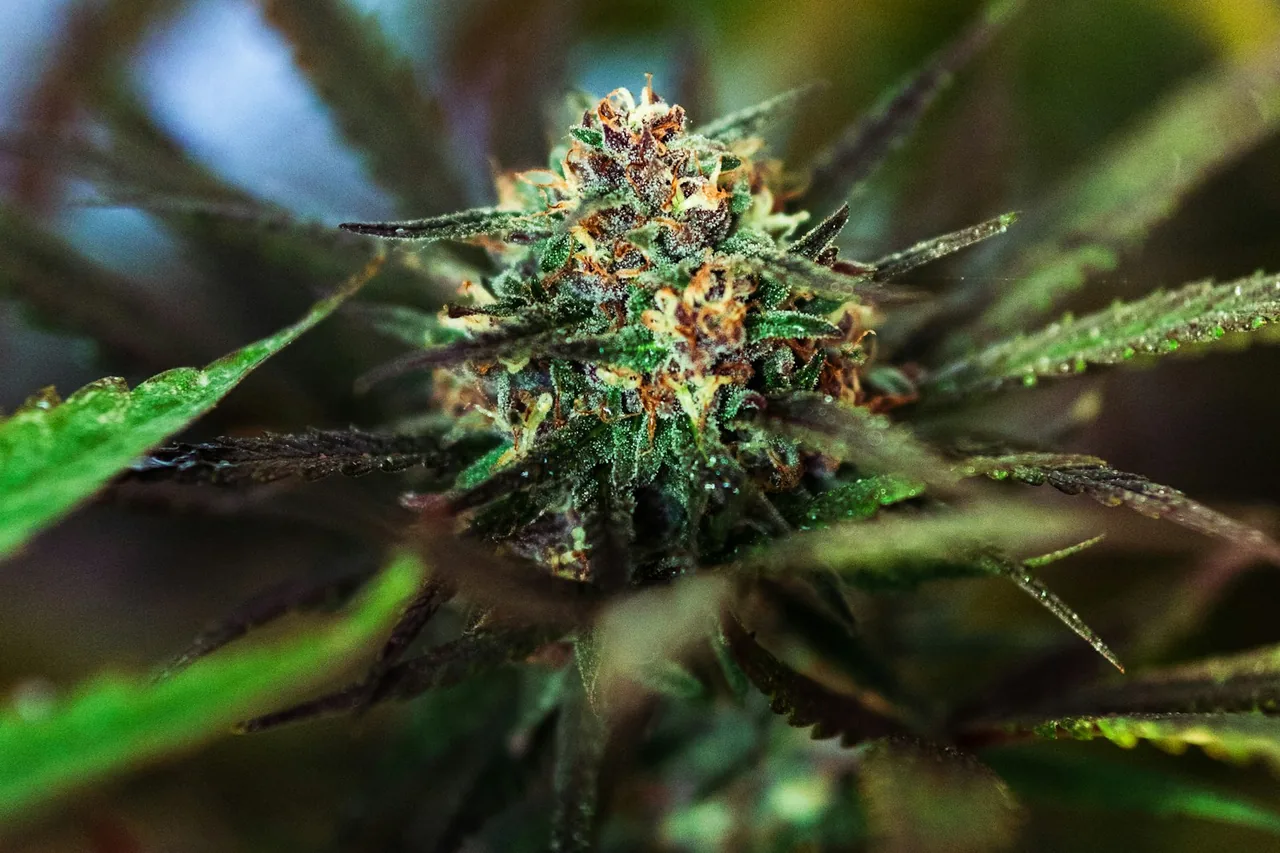
Begin with the language.
Cannabis, hemp and marijuana describe related concepts, as do cannabinoids, THC, CBD and terpenes, but these words are not substitutes for one another. Sorting out what kind of claim is being made helps you interpret packaging and headlines.
CBD & hemp
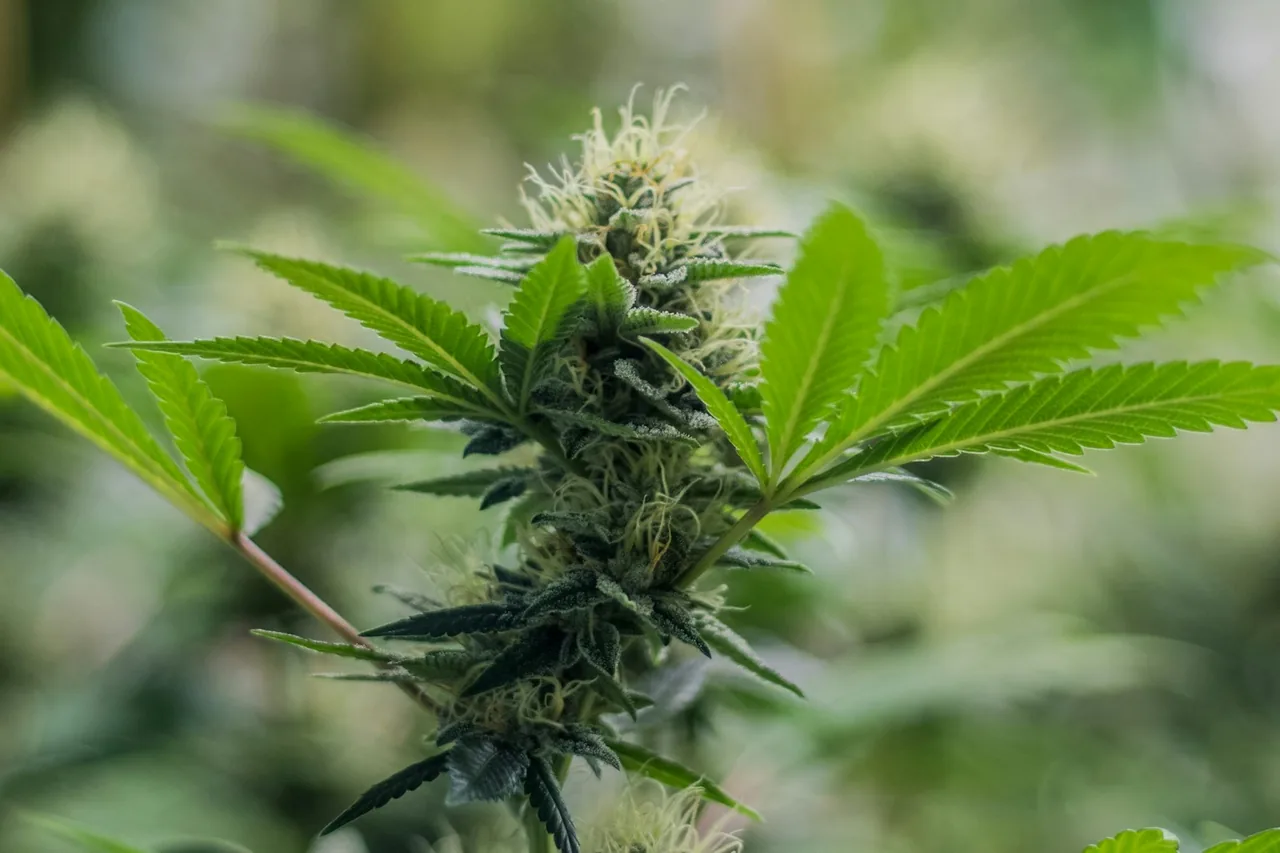
Read the label before the promise.
CBD format language can sound precise while leaving important questions unanswered. Learn to check amounts, ingredients, batch reports, marketing claims, interactions and legal variability.
Inside the plant
Flowers, leaves, trichomes, seeds and chemistry.
Plant science is a more useful starting point than familiar stereotypes. Structures perform functions in the plant; terpenes and cannabinoids are chemical compounds; classifications and names are devised by people. None of those descriptions guarantees a particular individual’s experience.

Claims vs evidence
Confidence is not the same as proof.
“CBD causes weight loss”
Human evidence does not support a guaranteed weight-loss claim.
“Natural means risk-free”
Natural substances can cause adverse effects and interactions.
“A strain name predicts effects”
Names do not standardize chemistry or individual response.
“Every label is equally reliable”
Methods, batches, rules and accuracy vary.
“Higher potency is better”
Potency is not a universal measure of quality or suitability.
“Legality is the same everywhere”
Rules vary by jurisdiction, product and travel context.
Consumer safety
Responsible information belongs in the foreground.
Read package information and verify local age requirements. Keep products secured beyond the access of children and animals, and do not drive while impaired. Discuss medicines, pregnancy and breastfeeding with a qualified healthcare professional. Independent testing contributes information but is not a blanket assurance.
Cannabis & the law
Place, product and purpose all matter.
The applicable rules can depend on the country, state or province, cannabinoid composition, medical versus adult-use category, format and itinerary. This explanation helps you frame a question; the responsible authorities are the source for the answer currently in force.

Culture & history
A plant shaped by language, power and public memory.
Read about hemp’s past, prohibition, stigma, media portrayals and shifting attitudes, including the language used when people discuss cannabis.
Industry watch
Standards, testing and consumer protection.
Our industry coverage focuses on durable systems rather than fabricated breaking news: laboratory quality, labeling, regulatory structures, research methods and how market claims reach consumers.
Latest articles
Current explanations, built to last.
How Cannabis Strain Names Work — and What They Don’t Tell You
Commercial names can preserve history and marketing, but they cannot guarantee genetics, chemistry or effects.
Cannabis Seeds and Plant Biology: What Seeds Reveal About the Plant
Seeds carry genetic potential, not a visual promise about a mature plant.
CBD Oil Labels Explained: Ingredients, Testing and Claims
A label can organize questions about CBD amount, carrier oils, ingredients, testing and marketing claims.
CBD Gummies Explained: Labels, Ingredients and Consumer Considerations
Edible formats require careful attention to serving language, ingredients, storage and accidental access.
The Stash Brief
Clear cannabis education. No hype. No sales pressure.
A concise editorial digest covering plant science, CBD labels, responsible consumer awareness and policy context.
Clear answers
Frequently asked questions
What is the difference between cannabis and hemp?
In some legal systems, hemp denotes cannabis that falls below a specified THC limit. The threshold and the way particular products are treated must be checked against the current rules.
Does Stash sell cannabis or CBD?
No. This is an educational publication.
Can a strain name predict an effect?
No. Names do not reliably standardize genetics, chemistry or individual response.
How should CBD labels be evaluated?
Examine the quantities, descriptions of servings, ingredients, batch documentation, warning statements and advertised claims.
Is CBD legal everywhere?
No. Transport requirements and local laws differ; consult the official body responsible for the relevant rules.
Is this medical advice?
No. An educational article is not a substitute for professional care tailored to the individual.