Cannabis 101

What Is MDMA Made Of? Understanding Its Chemical Makeup and Contents

What Is MDMA Made Of? Understanding Its Chemical Makeup and Contents

Every few months, news about contaminated pills sends people searching for answers to the same question: what is MDMA actually made of? If you’re comparing product descriptions and trying to understand what vendors offer, buylsdcanada mdma features a dedicated MDMA product category with listings and product information, giving readers another point of reference when exploring how MDMA is presented online.

Here is the perfect answer. MDMA is 3,4-methylenedioxymethamphetamine, a synthetic compound made in laboratories, with the molecular formula C11H15NO2. That describes the pure substance only. Pills and powders sold as MDMA, often called ecstasy or molly, may also contain fillers, dyes, or other psychoactive substances, and some contain no MDMA at all.

What Is MDMA Made Of? The Chemical Basics

MDMA belongs to the substituted amphetamine family, a group of compounds that share a core chemical backbone. Its structure includes a ring attached to a short chain, which is why it acts on the brain’s serotonin system in ways that differ from standard stimulants. In its pure form it is a white crystalline solid, and it is typically handled as a salt, which is why chunks and powders look the way they do. Unlike some drugs, it is not extracted from a plant. It is entirely man-made.

Component What it is Where it appears
MDMA The active synthetic compound, 3,4-methylenedioxymethamphetamine Crystals, powder, capsules and pressed pills
Binding agents Ingredients that hold a tablet together Pressed pills
Bulking agents Fillers such as lactose that add volume Pills and cut powders
Dyes and coatings Colorants that give pills their appearance Pressed pills
Adulterants Other psychoactive or active substances Pills, powders and crystals

What Is Inside an Ecstasy Pill?

A pill sold as ecstasy is not a pharmaceutical product, so its makeup is not standardized. A typical pill is a mix of MDMA, if any is present, plus binders and fillers that let it be pressed into shape, and dyes that give it color. The amount of active compound can differ greatly between pills, even between pills with the same logo, because logos come from molds and not from any quality standard. Health Canada makes the same point, noting that tablets vary in size, shape, colour and amount of drug, and that the stamps on them do not identify what is in the pills or mean they are safe. Harm reduction groups in Europe note that pills can contain anywhere from very little to a very large amount of MDMA.

What Is Molly Made Of?

Molly usually refers to MDMA sold as crystals, powder or capsules. The name suggests purity, but it is only a marketing label. The Canadian Centre on Substance Use and Addiction notes that products sold as ecstasy or molly often contain other ingredients, such as synthetic cathinones, in addition to MDMA, and sometimes contain no MDMA at all. In other words, asking what molly is made of has no single answer, because the contents depend on who made the product and what they chose to include.

Substances Commonly Found Instead of or Alongside MDMA

Health Canada lists several common additions to pills sold as MDMA: anesthetics such as ketamine or PCP, stimulants such as methamphetamine, amphetamine or cocaine, and novel psychedelic drugs including synthetic cathinones and 2C compounds. The CCSA has also reported PMMA, a more dangerous related compound, in pills sold as ecstasy in Canada in 2011 and 2012, and contaminants including fentanyl have been detected in some counterfeit pills and powders elsewhere. These substances can act differently from MDMA, last longer or carry higher risks, which is why mislabeling is treated as a real safety problem.

What Drug Checking Data Shows

Real testing data gives a more balanced picture than rumors. In 2024, the Zurich Drug Information Center analyzed 652 samples declared as MDMA. About 7 percent of the pills and 8.8 percent of the crystalline samples contained an unexpected psychoactive ingredient in addition to or instead of MDMA, and many of the unexpected compounds were by-products of manufacturing. The same data showed that MDMA content in pills continued to rise. Results vary by region and over time, but they show that contents can and do change, and that the amount of active compound is just as unpredictable as the identity.

How People Check What a Product Contains

Because color, shape and logos prove nothing, public health and harm reduction groups point to objective methods. Reagent test kits can show whether MDMA is present but not how much or what else is there. Fentanyl test strips detect that contaminant specifically. In some Canadian cities, drug checking services use lab-grade equipment and can give detailed results. Legal markets rely on product testing to verify contents, but unregulated drugs have no such checks, which is why contents can never be assumed. For wider guidance on consumer safety, the key point is that no home test is a guarantee.

Is MDMA Legal in Canada?

No. MDMA is controlled under Schedule I of the Controlled Drugs and Substances Act, so possession, sale and production without authorization are offences, with limited exceptions for research and approved programs. Rules and enforcement approaches can change, so anyone researching the topic should check current law and policy information. This is general information, not legal or medical advice.

Conclusion

So, what is MDMA made of? Chemically it is a single synthetic compound, 3,4-methylenedioxymethamphetamine. In the real world, products sold under its names can contain binders, fillers, dyes and other substances, and some contain none of the compound at all. Knowing that difference is the best protection against assumptions.

Frequently Asked Questions

What was MDMA originally made for?

MDMA was first synthesized by the German pharmaceutical company Merck in 1912 as an intermediate in research on other compounds. It was not developed as a recreational drug, and its psychoactive properties drew interest decades later.

Who invented the MDMA drug?

The chemist Anton Köllisch is generally credited with first producing it at Merck in 1912. Chemist Alexander Shulgin later brought it to wider attention in the 1970s, when some therapists began exploring it.

Is MDMA a hard or soft drug?

There is no official scientific category. In Canada it is a Schedule I controlled substance, the most restricted group, and it carries real risks, particularly because contents of street products are unreliable. Labels like hard or soft are informal and vary by country.

What country is MDMA legal in?

No country has legalized it for general recreational use. A few have allowed limited medical use. Australia, for example, has permitted authorized psychiatrists to prescribe it for certain conditions since 2023, while elsewhere access is generally limited to clinical trials. Health Canada states that there are currently no approved therapeutic products containing MDMA in Canada. Rules change, so check current sources.

Is MDMA good for the brain?

The research is mixed and still developing. MDMA affects the brain’s serotonin system, and Health Canada lists memory problems and damaged brain cells among the long-term effects of repeated use. Supervised clinical trials are also studying it for specific conditions. It should not be described as good for the brain, and anyone with health questions should speak with a doctor.
Cannabis 101

Cannabis Terpenes Explained Without the Hype

Terpenes are aromatic compounds found throughout nature; marketing claims often exceed product evidence.

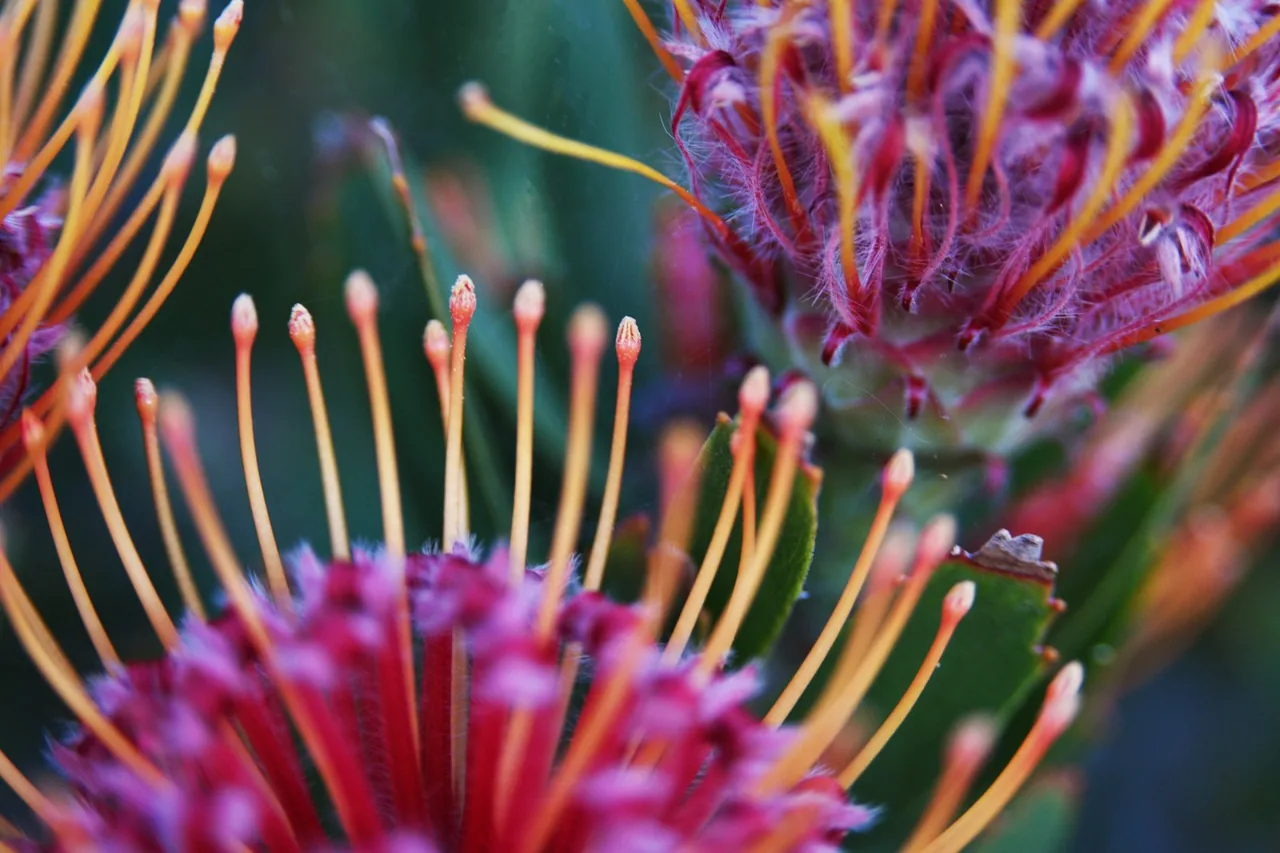
Editorial photograph for Cannabis Terpenes Explained Without the Hype
01

Terpenes are not unique to cannabis

Terpenes are not unique to cannabis is most useful when treated as a question to investigate rather than a slogan to accept. In cannabis 101, the same term may be used by researchers, regulators, manufacturers and consumers with different levels of precision. Begin by identifying which meaning the source actually supports.

Distinguish an observed detail from the interpretation attached to it. Labels, plant descriptions and product names may be informative, but they do not prove a medical result, forecast an individual’s response or establish lawful status in every place. Evidence tied to a batch, an explained method and current first-party rules deserve more attention than an assertion delivered confidently.

Relate the statement to the choice it would support. General reading cannot settle decisions involving health, medication, pregnancy, driving, a journey or legal consequences. Obtain appropriate professional advice and consult the authority that has responsibility for the situation.

02

Aroma does not prove an effect

Aroma does not prove an effect is most useful when treated as a question to investigate rather than a slogan to accept. In cannabis 101, the same term may be used by researchers, regulators, manufacturers and consumers with different levels of precision. Begin by identifying which meaning the source actually supports.

Distinguish an observed detail from the interpretation attached to it. Labels, plant descriptions and product names may be informative, but they do not prove a medical result, forecast an individual’s response or establish lawful status in every place. Evidence tied to a batch, an explained method and current first-party rules deserve more attention than an assertion delivered confidently.

Relate the statement to the choice it would support. General reading cannot settle decisions involving health, medication, pregnancy, driving, a journey or legal consequences. Obtain appropriate professional advice and consult the authority that has responsibility for the situation.

03

Concentration and delivery matter

Concentration and delivery matter is most useful when treated as a question to investigate rather than a slogan to accept. In cannabis 101, the same term may be used by researchers, regulators, manufacturers and consumers with different levels of precision. Begin by identifying which meaning the source actually supports.

Distinguish an observed detail from the interpretation attached to it. Labels, plant descriptions and product names may be informative, but they do not prove a medical result, forecast an individual’s response or establish lawful status in every place. Evidence tied to a batch, an explained method and current first-party rules deserve more attention than an assertion delivered confidently.

Relate the statement to the choice it would support. General reading cannot settle decisions involving health, medication, pregnancy, driving, a journey or legal consequences. Obtain appropriate professional advice and consult the authority that has responsibility for the situation.

04

The entourage idea needs careful language

The entourage idea needs careful language is most useful when treated as a question to investigate rather than a slogan to accept. In cannabis 101, the same term may be used by researchers, regulators, manufacturers and consumers with different levels of precision. Begin by identifying which meaning the source actually supports.

Distinguish an observed detail from the interpretation attached to it. Labels, plant descriptions and product names may be informative, but they do not prove a medical result, forecast an individual’s response or establish lawful status in every place. Evidence tied to a batch, an explained method and current first-party rules deserve more attention than an assertion delivered confidently.

Relate the statement to the choice it would support. General reading cannot settle decisions involving health, medication, pregnancy, driving, a journey or legal consequences. Obtain appropriate professional advice and consult the authority that has responsibility for the situation.

05

Read claims in proportion to evidence

Read claims in proportion to evidence is most useful when treated as a question to investigate rather than a slogan to accept. In cannabis 101, the same term may be used by researchers, regulators, manufacturers and consumers with different levels of precision. Begin by identifying which meaning the source actually supports.

Distinguish an observed detail from the interpretation attached to it. Labels, plant descriptions and product names may be informative, but they do not prove a medical result, forecast an individual’s response or establish lawful status in every place. Evidence tied to a batch, an explained method and current first-party rules deserve more attention than an assertion delivered confidently.

Relate the statement to the choice it would support. General reading cannot settle decisions involving health, medication, pregnancy, driving, a journey or legal consequences. Obtain appropriate professional advice and consult the authority that has responsibility for the situation.

06

A practical verification routine

Before accepting a claim, specify what you would use it to decide. Learning a definition requires a different level of verification from choosing a product, changing treatment, crossing a border or deciding whether to drive. The potential consequences set the standard for how much checking is needed.

Choose a source that fits each question. A batch’s laboratory record can address composition; the ingredients list may indicate allergens. Possible interactions belong with a clinician, and rules with the responsible regulator. One document cannot answer all four. Verify dates and whether the source concerns the same product, legal setting and population.

Know which gaps would make you pause. A mismatch between label and report, guaranteed health claims, uncertain rules or additional personal medical risks are reasons to seek clarification, not reasons to assume the best. Deciding not to continue can itself be an informed outcome.

Sources & further reading

Rules and public-health recommendations are revised over time. Consult the applicable official source for the location and timing of the decision you face.

Clear answers

Frequently asked questions

What is the central limitation discussed here?

Terpenes are aromatic compounds found throughout nature; marketing claims often exceed product evidence.

Can a label or name predict an exact effect?

No. Chemistry, product quality, context and individual response vary.

Where should legal questions be checked?

Check the latest requirements with the government body or regulator responsible for that product and jurisdiction.

When should a health professional be involved?

Ask an appropriately qualified professional about medicine interactions, pregnancy, breastfeeding, worrying symptoms or health decisions specific to you.

The Stash Brief

Clear cannabis education. No hype. No sales pressure.

A concise editorial digest covering plant science, CBD labels, responsible consumer awareness and policy context.