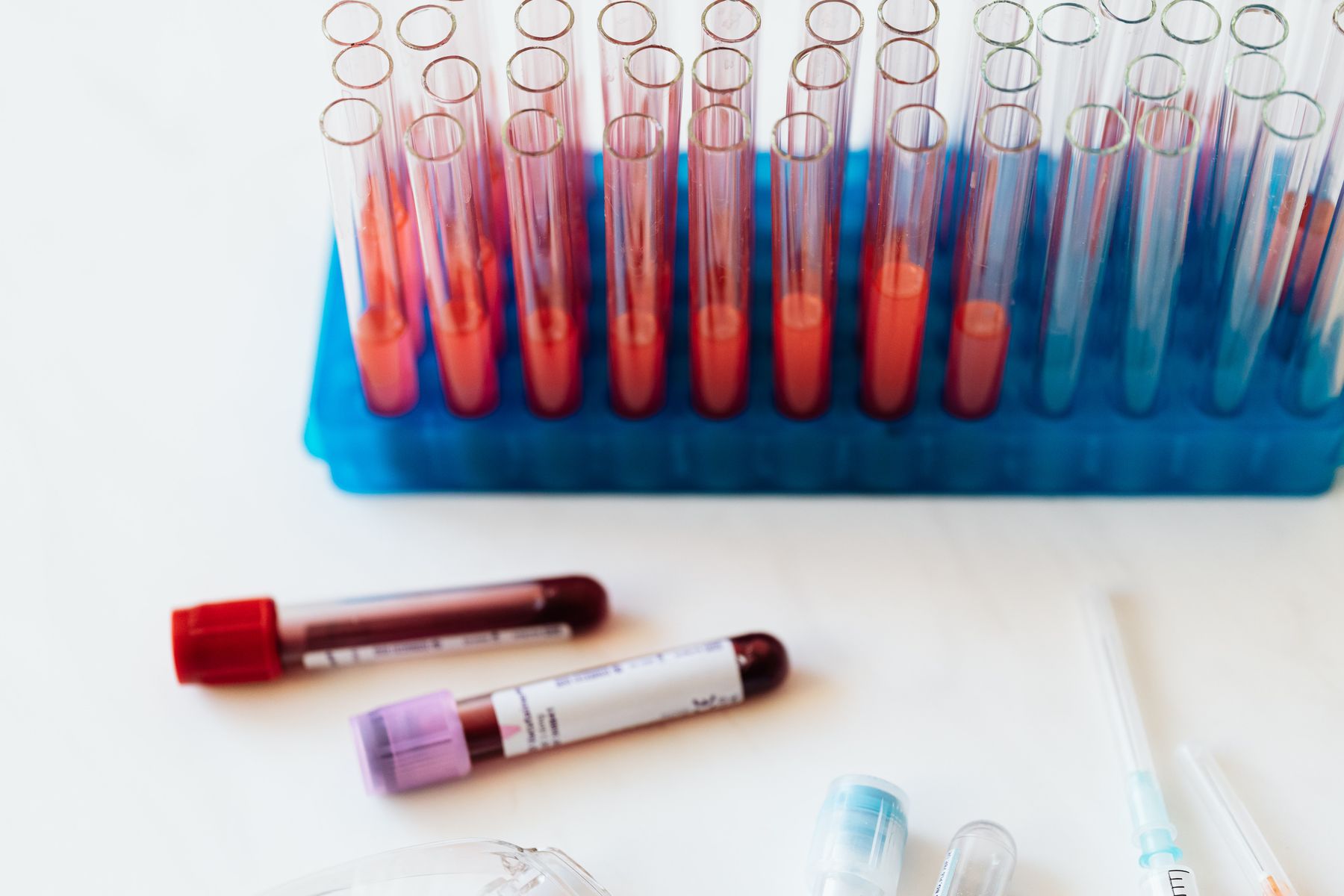
Weed does not show up on routine blood work such as a complete blood count or metabolic panel. These tests do not measure THC. However, a separately ordered blood test for cannabis can detect THC or its metabolites. The deciding factor is the test ordered, not simply whether someone takes a blood sample.
Which Routine Blood Tests Do Not Check for Weed?
Common health checks measure specific cells, chemicals, or hormones. They do not automatically include a drug screen.
| Blood test | What it measures | Does the standard test check for THC? |
|---|---|---|
| Complete blood count, or CBC | Red and white blood cells, platelets, and related measurements | No |
| Basic or comprehensive metabolic panel | Glucose, electrolytes, kidney-function markers, and other blood chemicals | No |
| Cholesterol or lipid panel | Cholesterol and triglycerides | No |
| Thyroid-stimulating hormone, or TSH | A hormone used to assess thyroid function | No |
Medical references: blood-test overview, metabolic panel, cholesterol testing, and TSH testing.
An abnormal result on one of these tests is not a positive cannabis result. It needs to be interpreted according to what that test measures.
Also, “full blood work” is an informal description, not a promise that the laboratory tests for every substance. Ask for the actual test names if the description is unclear.
When Can a Blood Test Detect Cannabis?
A blood sample can reveal cannabis exposure when a cannabinoid test is included in the order.
Drug testing may be requested for a clinical assessment, suspected overdose, employment requirements, or a legal investigation. The sample is often urine, although blood and other sample types can also be used.
A THC Test Looks for Specific Substances
Depending on the laboratory method, a blood test may measure THC, compounds produced as the body processes THC, or both. These breakdown products are called metabolites.
For example, Mayo Clinic Laboratories lists a dedicated whole-blood cannabinoid analysis with follow-up confirmation when the initial result is positive. This is a specific test, separate from ordinary health panels.
A Toxicology Screen Depends on Its Contents
The words “drug screen” or “toxicology screen” do not tell you exactly which substances are included. Ask whether the ordered panel tests for cannabinoids and which sample type it uses.
A routine blood draw and a drug screen can be part of the same appointment. Having routine tests ordered does not rule out additional testing.
How Long Can Cannabis Be Detected in Blood?
There is no single detection window that applies to every cannabis blood test. It depends on the substance measured, the test’s sensitivity, the amount used, and the person’s pattern of use.
Frequent cannabis use can produce much longer detection periods than a simple “one or two days” estimate suggests. Sensitive testing has detected low cannabinoid concentrations in blood plasma for weeks in some frequent users during abstinence. That does not establish a universal window for every person or laboratory test.
For a routine CBC or metabolic panel, this timing question does not change the answer: those tests do not measure THC.
Do Edibles, Vapes, or CBD Change the Answer?
THC Edibles and Vapes
Using an edible or vape instead of smoking does not change whether a routine blood panel includes THC testing. It also does not prevent detection by a test that specifically looks for cannabinoids.
The product format and timing can affect how THC enters the bloodstream, but they do not change the purpose of the laboratory test.
CBD Products
CBD and THC are different compounds. However, a product marketed as CBD may contain THC, so the product name alone is not enough to judge exposure. The FDA has identified concerns about inaccurate cannabinoid content and THC in some CBD products.
For oils, our CBD oil label guide explains the label information to review.
If you choose to buy weed online from a retailer such as Budora, check the listed cannabinoid content and available batch-testing information. A cannabis product lab report describes the product tested; it does not predict your personal blood-test result.
Can You Smoke Weed Before a Blood Test?
Follow the preparation instructions for your appointment rather than assuming cannabis is irrelevant because THC is not being tested.
If you are fasting, MedlinePlus advises avoiding smoking during the fasting period. Edibles and cannabis drinks also conflict with instructions to consume only plain water.
For a non-fasting appointment, ask the clinic about cannabis use beforehand. Tell your provider about medicines, supplements, and cannabis products you use so they can give instructions appropriate to the tests ordered.
If you have already used cannabis during the preparation period, tell the clinic. They can decide whether the appointment should proceed. Do not stop prescribed medicines unless your provider instructs you to.
How Can You Check What Was Ordered?
Look at the laboratory order, referral, or patient portal. If the names are unclear, ask:
- “Which blood tests have been ordered?”
- “Does this include a drug screen or cannabinoid test?”
- “Do I need to fast or avoid smoking before the appointment?”
If drug testing is included, also ask why it is being done and how the results will be used. These are reasonable questions to raise before testing.
Conclusion
Weed will not appear as a THC result on a standard CBC, metabolic panel, cholesterol test, or thyroid test. A separately ordered cannabinoid test can detect cannabis exposure. Check the test names and follow the clinic’s preparation instructions to understand what your appointment involves.